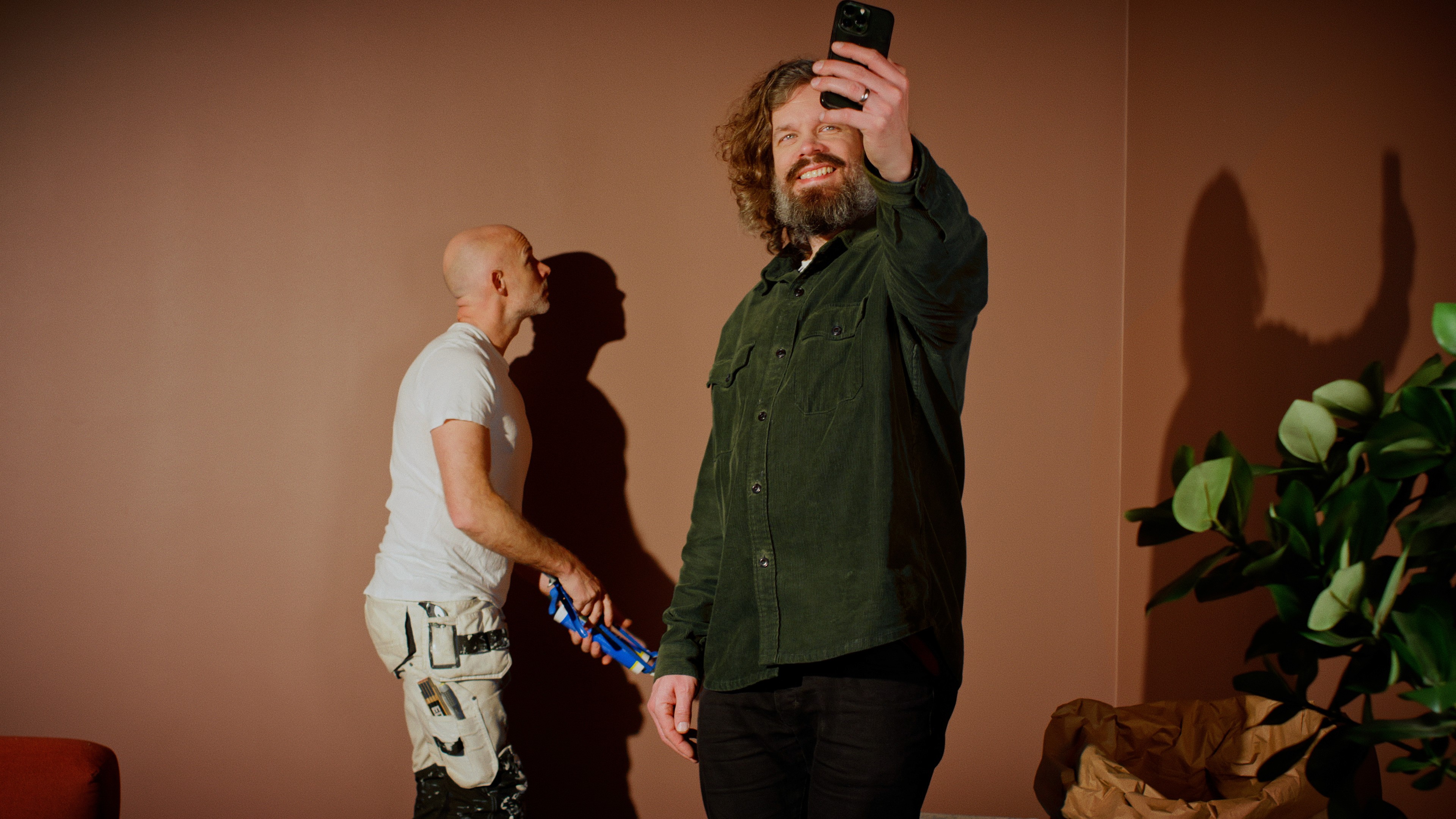
Zeam
Overview
Built an organic short-form channel that increased social reach 3.5× within 90 days, retaining passenger despite a 50% fare increase for the world's first self driving passenger ferry.
Context
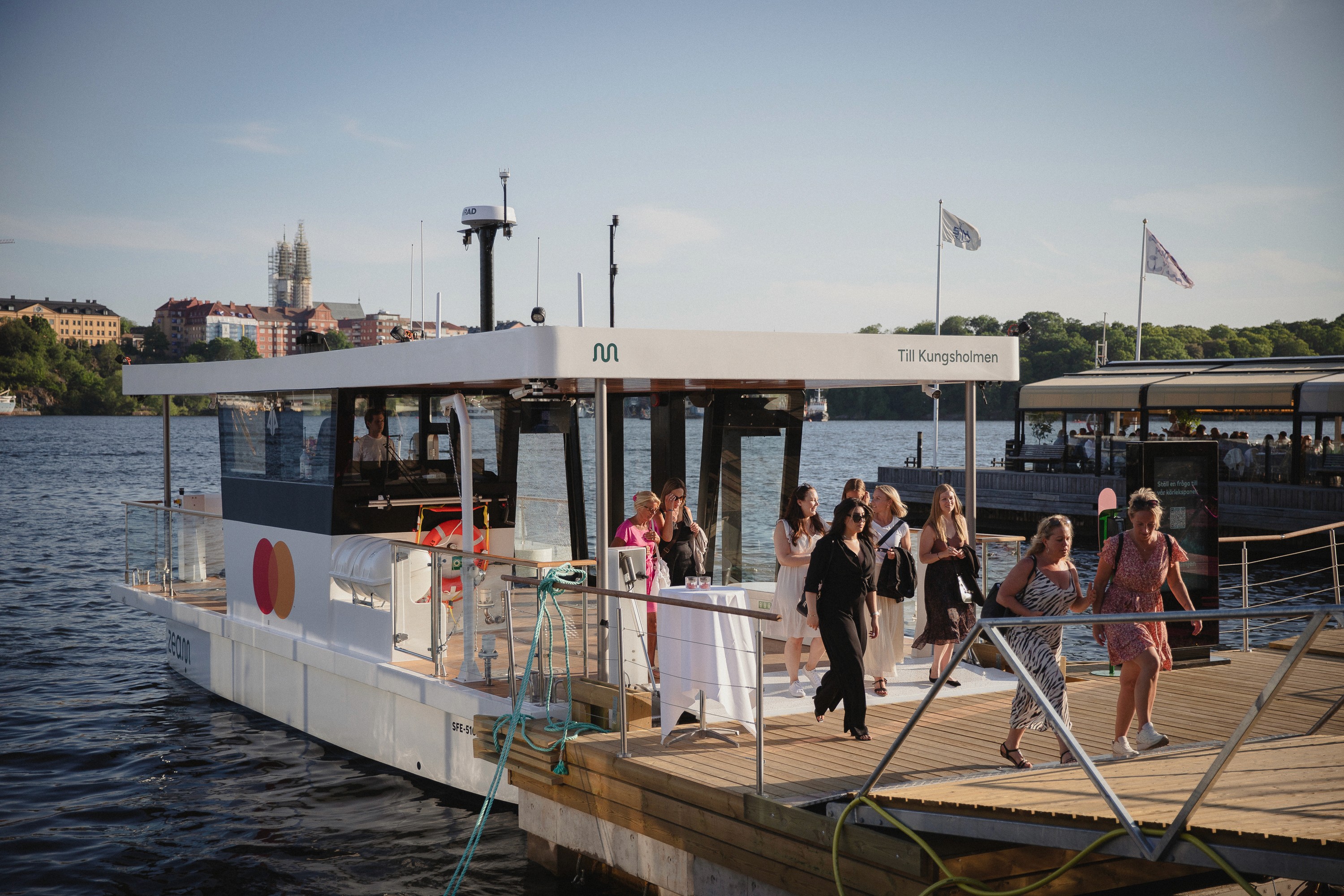
Zeam is a joint initiative between Torghatten, one of Norway’s largest ferry operators, and Zeabuz, a Norwegian autonomy company developing self-driving vessel technology. Zeam operates the world’s first self-driving passenger ferry in Stockholm.
To continue the project and scale to additional ferries, Zeam needed to demonstrate clear economic viability. Specifically, the company needed reliable, measurable revenue uplift per departure, -not just attention, PR, or technical validation.
Constraints
Very limited marketing bandwidth (three non-operational staff)
No prior consumer acquisition function; previous focus on lobbying, regulation, and tech demonstration
Minimal budget for paid acquisition
Short timeframe combined with a +50% fare increase, creating a real risk of passenger churn
My role
I was responsible for marketing as a single-person lead. I owned strategy, creative direction, content production, channel launches (TikTok), community management and measurement. I coordinated closely with the COO, who approved strategy and posts, while I executed independently day to day.
Goals
Primary goal
Increase revenue per departure to prove economic viability for scale.
Secondary goals
Retain and grow passenger numbers despite a +50% fare increase
Increase social reach and awareness to drive bookings
Tracked KPIs
Passenger volume and revenue per departure (internal, confidential)
Social reach and video views
Strategy
Shifted focus from commuters to infrequent riders, who made up the majority of revenue despite lower usage frequency
Prioritized one-time passengers over subscriptions to maximize immediate revenue per departure
Moved from paid Meta ads to organic, entertainment-first short-form content to scale reach with minimal budget
Framed content around three pillars: utility (route benefits), curiosity (autonomy), and price justification (value > cost)
Actions
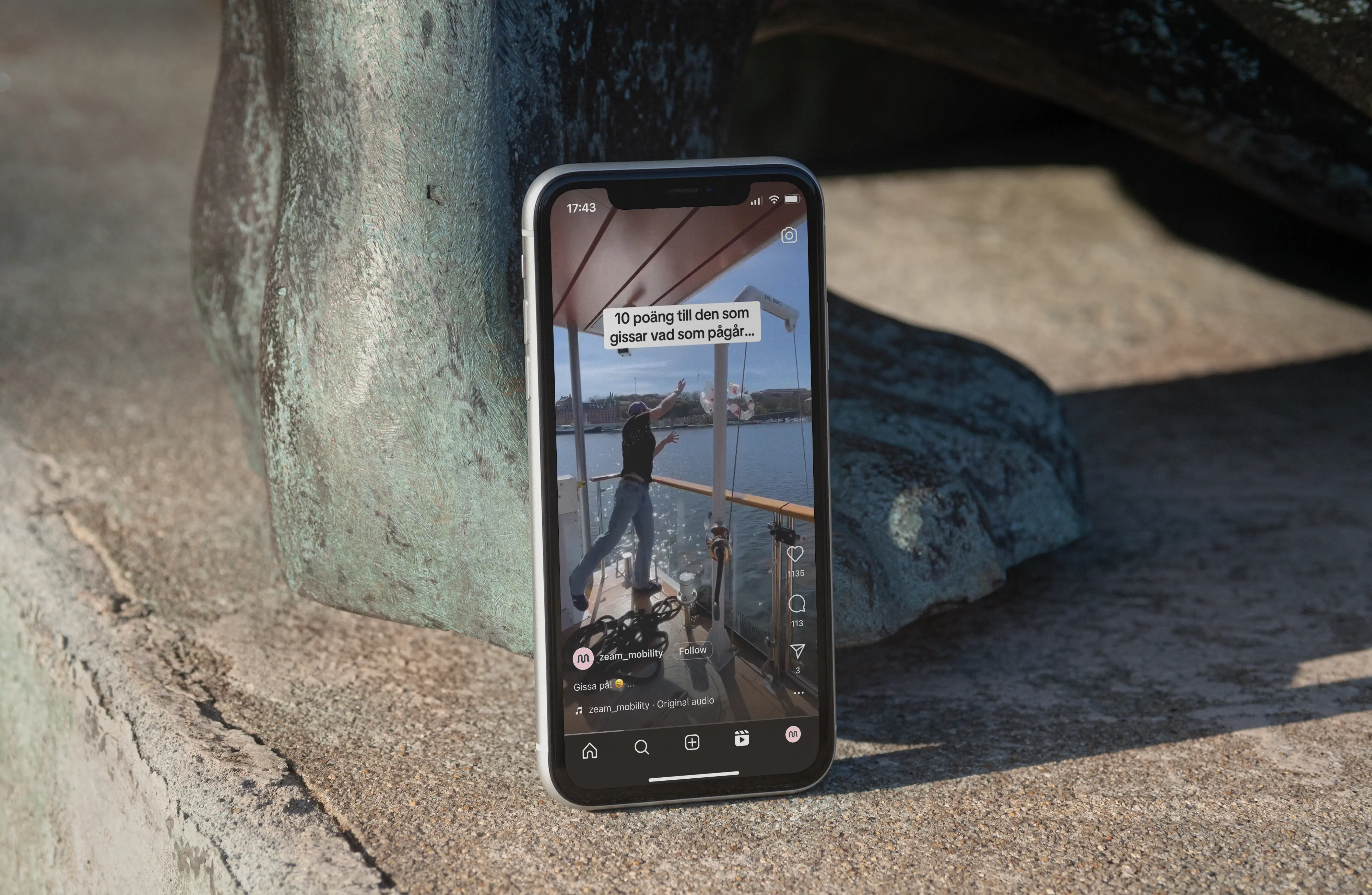
Launched Zeam’s TikTok channel and established a consistent publishing cadence (≈3 videos/week)
Developed repeatable content formats optimized for early retention and clear calls to action
Owned full content production: ideation, scripting, filming (iPhone + RØDE wireless), editing (Premiere Pro / CapCut), publishing
Used comment signals and engagement patterns to generate follow-up content and refine messaging
Outcome
Primary: Retained passenger despite a 50% fare increase, contributing to increased revenue per departure.
Shifted from 98% paid acquisition to a fully organic approach and tripled social reach
Reach: 3.5× increase (238,072 → 850,527)
Views: 1.3M total video views
The results provided a concrete revenue signal per departure, enabling leadership to make informed decisions about continued investment and scaling. The project demonstrated that a consumer acquisition function could be built quickly and cost-effectively in a highly regulated, capital-intensive environment.